
Power Inverters Explained: What You Can Actually Run From Your Car
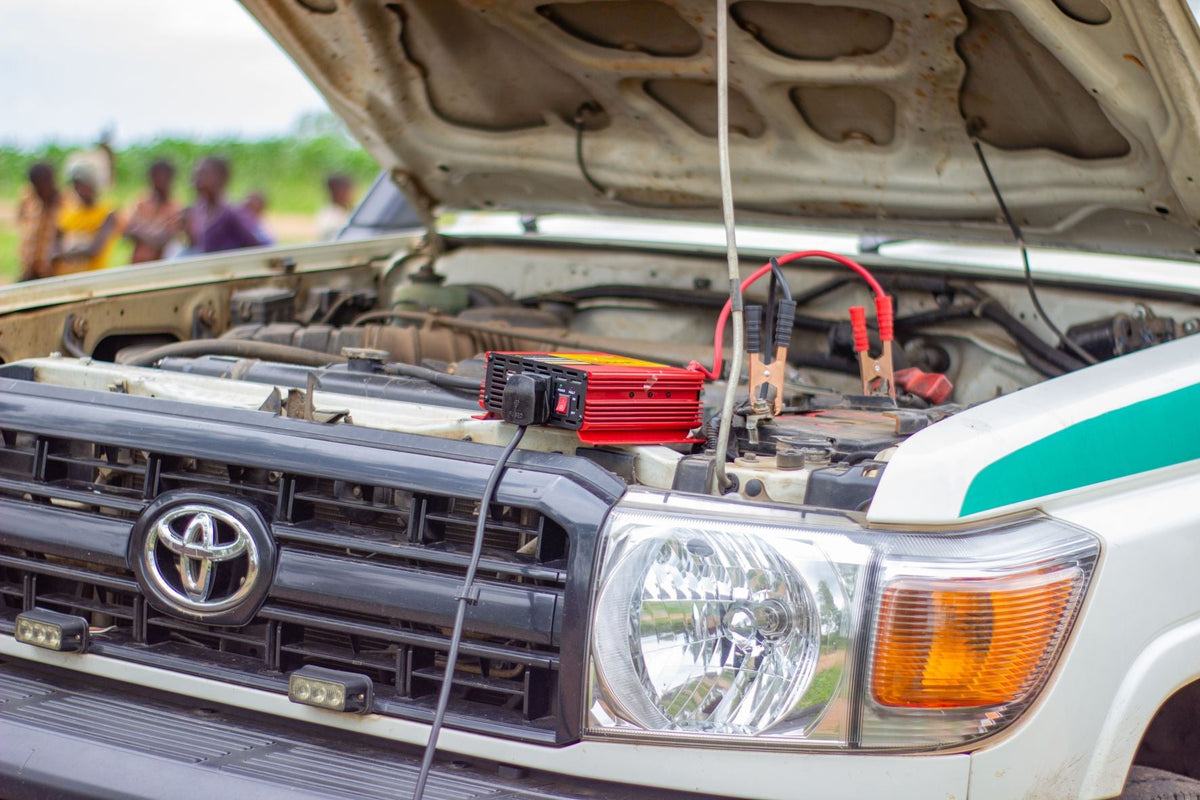
Unleash the power of your car with power inverters - run all your devices on the go!
Introduction: Power inverters are a useful tool for converting the DC power from your car's battery into AC power, allowing you to run a variety of electronic devices while on the go. But what exactly can you run from your car using a power inverter? Let's explore some common examples of what you can power with a power inverter in your vehicle.
Understanding Power Inverters: How They Work and What They Do
Have you ever found yourself in a situation where you needed to power a device while on the go, but didn't have access to a traditional power outlet? Maybe you were camping in the great outdoors, or perhaps you were on a road trip and needed to charge your laptop. In situations like these, a power inverter can be a lifesaver.
So, what exactly is a power inverter, and how does it work? In simple terms, a power inverter is a device that converts direct current (DC) from your car's battery into alternating current (AC), which is what most household appliances and electronics use. This allows you to plug in and power devices that would normally require a wall outlet.
Power inverters come in various sizes and power ratings, so it's important to choose one that is suitable for your needs. The power rating of an inverter is typically measured in watts, with higher wattage inverters being able to power larger devices. For example, a small 150-watt inverter may be sufficient for charging a phone or running a small fan, while a larger 3000-watt inverter could power a refrigerator or even a power tool.
When using a power inverter, it's important to keep in mind the limitations of your car's electrical system. Running high-powered devices for extended periods of time can drain your car's battery quickly, so it's a good idea to only use the inverter when the engine is running to avoid draining the battery.
Now that you understand how power inverters work, let's talk about what you can actually run from your car using one. The possibilities are endless, but here are a few common devices that can be powered by a car inverter:
1. Electronics: From laptops and tablets to cameras and gaming consoles, you can keep all your electronic devices charged and running while on the go.
2. Kitchen appliances: Need to whip up a quick meal while camping? A power inverter can power a small microwave, blender, or even a coffee maker.
3. Power tools: Whether you're working on a DIY project or need to make repairs on the go, a power inverter can power a variety of power tools like drills, saws, and sanders.
4. Medical devices: If you rely on medical devices like a CPAP machine or nebulizer, a power inverter can ensure you have access to power wherever you are.
5. Lighting: Whether you need to light up your campsite or work on your car at night, a power inverter can power LED lights or even a small lamp.
In conclusion, power inverters are a versatile and essential tool for anyone who needs to power devices while on the go. By understanding how they work and what you can run from your car using one, you can ensure that you always have access to power no matter where your adventures take you. So next time you find yourself in need of a power source away from home, consider investing in a power inverter to keep you connected and powered up.
Choosing the Right Size Inverter for Your Car: Wattage and Capacity
So you've decided to invest in a power inverter for your car, but now you're faced with the daunting task of choosing the right size inverter for your needs. Don't worry, we're here to help break it down for you.
When it comes to power inverters, the two most important factors to consider are wattage and capacity. Wattage refers to the amount of power the inverter can handle, while capacity refers to how long the inverter can sustain that power output.
To determine the right size inverter for your car, you'll first need to consider what devices you plan on running. Different devices require different amounts of power, so it's important to add up the wattage of all the devices you plan on using simultaneously.
For example, if you plan on running a laptop (60 watts), a phone charger (10 watts), and a small fan (20 watts) at the same time, you'll need an inverter that can handle at least 90 watts. It's always a good idea to round up to ensure you have enough power for all your devices.
Once you've determined the total wattage you'll need, it's time to consider the capacity of the inverter. Capacity is measured in amp-hours (Ah) and refers to how long the inverter can sustain its power output.
If you plan on using your inverter for short periods of time, a lower capacity inverter may be sufficient. However, if you plan on running your devices for extended periods, you'll want to invest in a higher capacity inverter to ensure you don't run out of power.
When choosing the right size inverter for your car, it's also important to consider the type of devices you'll be running. Some devices, such as power tools or appliances, may require a higher wattage inverter than smaller electronics like laptops or phones.
It's always a good idea to check the power requirements of your devices before purchasing an inverter to ensure you choose one that can handle the load. Additionally, it's important to consider the efficiency of the inverter, as some models may waste more power than others.
In conclusion, choosing the right size inverter for your car comes down to understanding the wattage and capacity requirements of your devices. By adding up the wattage of all the devices you plan on running simultaneously and considering the capacity of the inverter, you can ensure you have enough power to keep your devices running smoothly.
Remember to always round up when calculating wattage, and consider the type of devices you'll be running to determine the appropriate size inverter for your needs. With the right size inverter, you can enjoy the convenience of powering your devices on the go without worrying about running out of power.
Running Household Appliances from Your Car: What's Possible and What's Not
Have you ever found yourself in a situation where you needed to power a household appliance while on the go? Maybe you're camping and want to run a small refrigerator, or perhaps you're tailgating and need to power a blender for some margaritas. Whatever the case may be, a power inverter could be the solution you're looking for.
Power inverters are devices that convert the direct current (DC) power from your car's battery into alternating current (AC) power, which is what most household appliances run on. This means that with a power inverter, you can essentially turn your car into a portable power source for a variety of devices.
But before you start plugging in all your appliances, it's important to understand what you can and cannot run from your car using a power inverter. While power inverters come in various sizes and power ratings, not all of them are capable of running every household appliance.
For example, smaller power inverters with lower wattage ratings are typically only suitable for powering small electronics like laptops, smartphones, and tablets. These devices require relatively low power consumption, making them ideal for use with a smaller inverter.
On the other hand, larger appliances like refrigerators, microwaves, and power tools require significantly more power to operate. In order to run these types of appliances from your car, you'll need a higher wattage power inverter that can handle the increased power demands.
When choosing a power inverter for your specific needs, it's important to consider both the wattage rating of the inverter and the power requirements of the appliance you want to run. Most appliances will have a label that indicates their power consumption in watts, which can help you determine the size of inverter you'll need.
It's also worth noting that some appliances have a higher power draw when they first start up, known as a surge or peak power. This surge can be several times higher than the appliance's normal operating power, so it's important to choose an inverter that can handle these temporary spikes in power.
In general, it's best to err on the side of caution and choose a power inverter with a higher wattage rating than you think you'll need. This will ensure that you have enough power to run your appliances without overloading the inverter or draining your car's battery.
So, what can you actually run from your car using a power inverter? The possibilities are endless, but some common examples include small refrigerators, coffee makers, fans, and even televisions. Just remember to check the power requirements of your appliances and choose an inverter that can handle the load.
In conclusion, power inverters can be a convenient and versatile tool for powering household appliances from your car. By understanding the power requirements of your appliances and choosing the right inverter for the job, you can enjoy the comforts of home while on the go. So next time you're planning a road trip or outdoor adventure, consider investing in a power inverter to make your life a little easier.
Safety Tips for Using a Power Inverter in Your Vehicle
So you've decided to invest in a power inverter for your car - congratulations! Power inverters are incredibly useful tools that allow you to run electronic devices and appliances from your vehicle's battery. However, before you start plugging in all of your gadgets, it's important to understand how to use a power inverter safely. In this article, we'll go over some safety tips for using a power inverter in your vehicle.
First and foremost, it's crucial to choose the right size power inverter for your needs. Power inverters come in various wattages, ranging from 100 watts to 3000 watts or more. Before purchasing a power inverter, make a list of all the devices you plan on running from it and add up their wattage requirements. This will give you a good idea of what size power inverter you need. It's always better to choose a power inverter with a higher wattage than you think you'll need to avoid overloading it.
Once you've selected the right size power inverter, it's time to install it in your vehicle. Most power inverters come with a set of cables that you can connect directly to your car's battery. Make sure to follow the manufacturer's instructions carefully to ensure a safe and secure connection. It's also a good idea to install a fuse between the power inverter and the battery to protect against short circuits and overloads.
When using a power inverter in your vehicle, it's important to be mindful of the power draw on your car's battery. Running electronic devices and appliances can drain your battery quickly, especially if the engine is not running. To avoid draining your battery, try to limit the amount of time you run high-wattage devices when the engine is off. If you plan on using a power inverter for an extended period of time, consider running the engine periodically to recharge the battery.
Another important safety tip for using a power inverter in your vehicle is to never leave it unattended while in use. Power inverters generate heat when in operation, and leaving them unattended can pose a fire hazard. Make sure to place the power inverter on a flat, stable surface where it has plenty of ventilation to dissipate heat. It's also a good idea to periodically check the power inverter for any signs of overheating or damage.
Lastly, always make sure to unplug all devices from the power inverter before turning off your vehicle. Leaving devices plugged in can drain your car's battery and potentially damage the power inverter. It's also a good idea to disconnect the power inverter from the battery when not in use to prevent any parasitic power draw.
In conclusion, power inverters are incredibly useful tools for running electronic devices and appliances from your vehicle. By following these safety tips, you can ensure a safe and efficient experience when using a power inverter in your car. Remember to choose the right size power inverter, install it properly, be mindful of your car's battery, never leave it unattended while in use, and always unplug devices before turning off your vehicle. With these tips in mind, you'll be able to enjoy the convenience of running your favorite gadgets from your car without any worries.
Comparing Different Types of Car Power Inverters: Modified Sine Wave vs. Pure Sine Wave
If you're someone who loves to go on road trips or spend time outdoors, having a power inverter in your car can be a game-changer. Power inverters allow you to convert the DC power from your car's battery into AC power, which can then be used to run various electronic devices. But when it comes to choosing a power inverter, you may come across terms like "modified sine wave" and "pure sine wave." What do these terms mean, and how do they affect the performance of your power inverter? Let's break it down.
Modified sine wave power inverters are the more common and affordable option. They produce a waveform that is a close approximation of a sine wave but with some distortion. While most devices can run on a modified sine wave, some sensitive electronics like laptops, printers, and certain medical equipment may not function properly or may even be damaged when connected to a modified sine wave inverter.
On the other hand, pure sine wave power inverters produce a waveform that is identical to the AC power you get from your home outlets. This clean and smooth waveform is ideal for running sensitive electronics and appliances without any risk of damage. Pure sine wave inverters are more expensive than modified sine wave inverters, but they offer better performance and compatibility with a wider range of devices.
When deciding between a modified sine wave and a pure sine wave power inverter, consider the types of devices you plan to run from your car. If you only need to charge your phone or run basic appliances like a fan or a small TV, a modified sine wave inverter should suffice. However, if you want to power more sensitive electronics or appliances like a microwave, refrigerator, or medical equipment, investing in a pure sine wave inverter is the way to go.
It's important to note that not all power inverters are created equal, even within the same category. Some modified sine wave inverters may produce a cleaner waveform than others, while some pure sine wave inverters may have better efficiency and reliability. Before making a purchase, read reviews, compare specifications, and consider your specific power needs to ensure you get the right inverter for your car.
In addition to the waveform type, there are other factors to consider when choosing a power inverter for your car. Look at the wattage rating of the inverter to make sure it can handle the power requirements of your devices. Consider the number and type of outlets available on the inverter to accommodate all your devices. Pay attention to the size and weight of the inverter if you plan to use it on the go or in a compact space.
Ultimately, the type of power inverter you choose for your car will depend on your power needs, budget, and the devices you plan to run. Whether you opt for a modified sine wave or a pure sine wave inverter, having the ability to power your electronics and appliances on the go can make your road trips and outdoor adventures more convenient and enjoyable. So, do your research, make an informed decision, and get ready to bring the comforts of home with you wherever you go.
Conclusion
Power inverters allow you to run a variety of electronic devices from your car, including laptops, phones, and small appliances. However, it is important to consider the power requirements of each device before using a power inverter to avoid damaging your car's electrical system. Overall, power inverters can be a convenient and useful tool for powering devices on the go.