
The Hidden Role of Relays in Your Car's Electrical System
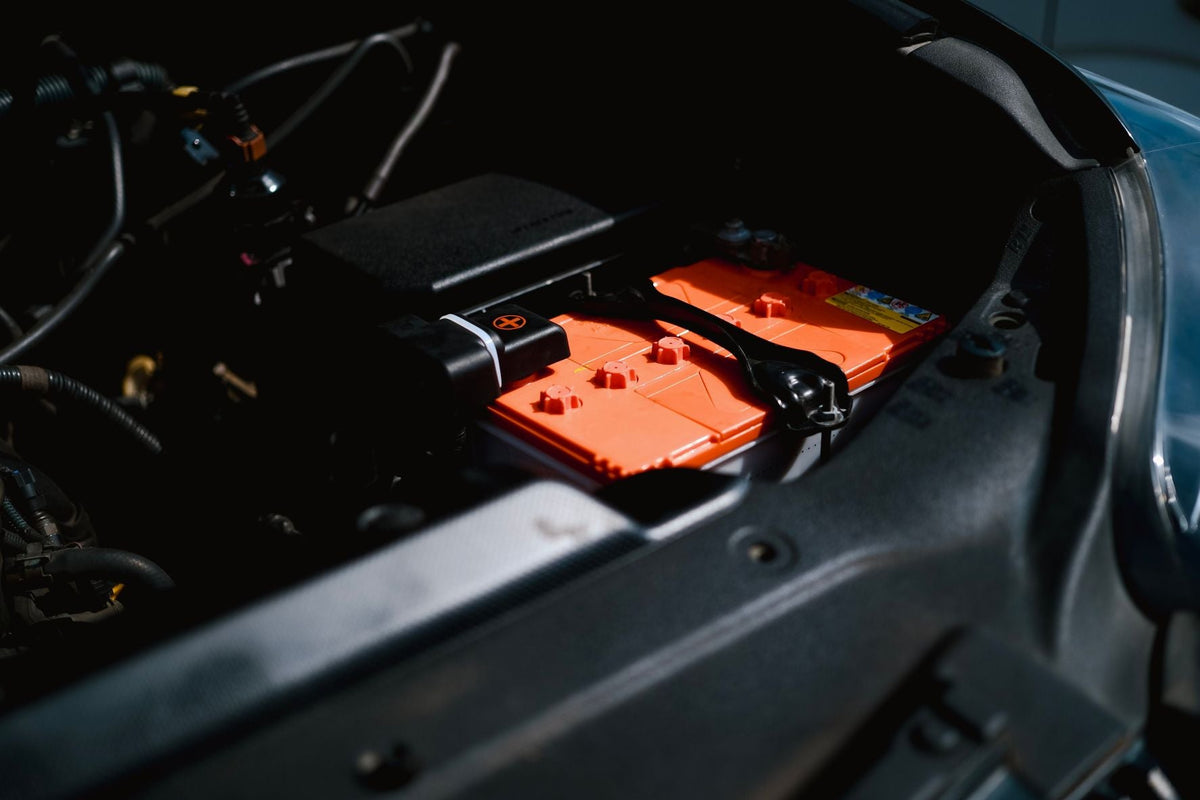
"Relays: The silent heroes of your car's electrical system."
Relays play a crucial role in your car's electrical system, acting as switches that control the flow of electricity to various components. While often overlooked, these small devices are essential for ensuring that your vehicle's electrical system functions properly. In this article, we will explore the hidden role of relays in your car and why they are so important for its overall performance.
Importance of Automotive Relays in Your Car's Electrical System
Have you ever wondered how all the electrical components in your car work together seamlessly? From the headlights to the windshield wipers, there is a complex system at play that ensures everything runs smoothly. One crucial component that often goes unnoticed is the automotive relay. These small devices play a significant role in your car's electrical system, helping to control various functions and ensure everything operates efficiently.
Relays are essentially switches that are activated by an electrical signal. They are used to control high-current circuits with low-current signals, making them essential for powering various components in your car. Without relays, many of the electrical systems in your vehicle would not function properly.
One of the most common uses of relays in cars is to control the headlights. When you turn on your headlights, the switch sends a low-current signal to the relay, which then activates the high-current circuit that powers the headlights. This not only helps to protect the switch from damage but also ensures that the headlights receive the necessary power to illuminate the road ahead.
In addition to controlling the headlights, relays are also used to power other electrical components in your car, such as the fuel pump, cooling fan, and windshield wipers. By using relays to control these high-current circuits, car manufacturers can design more efficient and reliable electrical systems that are less prone to failure.
Another important role of relays in your car's electrical system is to provide overload protection. If a component draws too much current, the relay will automatically shut off the circuit to prevent damage to the electrical system. This helps to protect both the components in your car and the wiring from overheating and potential fire hazards.
Relays also play a crucial role in ensuring that your car's electrical system operates smoothly in all conditions. For example, relays can be used to control the cooling fan, which helps to regulate the engine temperature and prevent overheating. By using relays to control the fan, car manufacturers can ensure that the fan operates at the correct speed and only when needed, helping to improve fuel efficiency and reduce wear and tear on the engine.
In conclusion, relays are an essential component of your car's electrical system that often goes unnoticed. These small devices play a crucial role in controlling high-current circuits, providing overload protection, and ensuring that your car's electrical systems operate efficiently. Without relays, many of the electrical components in your car would not function properly, leading to potential safety hazards and costly repairs. So, the next time you turn on your headlights or use your windshield wipers, remember the hidden role of relays in keeping your car running smoothly.
Common Car Electrical Problems Caused by Faulty Relays
Have you ever wondered how your car's electrical system works behind the scenes? While most drivers are familiar with components like the battery, alternator, and starter, there is one crucial element that often goes unnoticed: relays. These small but mighty devices play a hidden yet essential role in ensuring that your car's electrical system functions properly.
Relays are essentially switches that are activated by an electrical signal. When a relay receives this signal, it closes a circuit and allows electricity to flow to a specific component in your car. This simple yet effective mechanism is what allows your car's various electrical systems to operate smoothly and efficiently.
One common issue that can arise with relays is a failure to properly close the circuit. When this happens, the affected component may not receive the necessary electrical power, leading to malfunctions or complete failure. For example, a faulty relay in the fuel pump circuit can prevent the pump from delivering fuel to the engine, causing your car to stall or refuse to start.
Another common problem caused by faulty relays is intermittent operation. In some cases, a relay may only work sporadically, causing the affected component to function erratically. This can be particularly frustrating for drivers, as the issue may come and go without warning, making it difficult to diagnose and repair.
Additionally, relays can also fail to open a circuit when necessary. This can result in a component receiving power when it shouldn't, leading to issues like a drained battery or overheating. For example, a stuck relay in the cooling fan circuit can cause the fan to run continuously, even when the engine is off, potentially causing damage to the fan motor or draining the battery.
Fortunately, diagnosing and repairing faulty relays is relatively straightforward for experienced mechanics. By using a multimeter to test the relay's functionality, they can quickly determine whether the relay is the culprit behind a particular electrical issue. If a faulty relay is identified, it can be easily replaced with a new one, restoring proper function to the affected component.
In some cases, however, faulty relays may be more challenging to diagnose, especially if the issue is intermittent. In these situations, it may be necessary to monitor the affected component over time to pinpoint when the problem occurs and identify the faulty relay responsible. While this process can be time-consuming, it is essential for ensuring that the underlying issue is properly addressed.
In conclusion, relays play a crucial yet often overlooked role in your car's electrical system. By understanding how relays work and the common problems they can cause, you can better appreciate the complexity of your vehicle's electrical system and be prepared to address any issues that may arise. So next time you experience an electrical problem with your car, don't forget to consider the hidden role of relays in keeping your vehicle running smoothly.
How to Use a Relay Tester for Automotive Diagnostics

Have you ever wondered how your car's electrical system works behind the scenes? While most drivers are familiar with components like the battery and alternator, there's one crucial element that often goes unnoticed: relays. These small devices play a big role in ensuring that your car's electrical components function properly, yet many people are unaware of their importance.
Relays are essentially switches that are activated by an electrical signal. They are used to control high-current circuits with low-current signals, allowing for the efficient operation of various electrical components in your car. For example, relays are commonly used to control the operation of the fuel pump, headlights, and cooling fan. Without relays, these components would require much larger and more expensive switches, making your car's electrical system more complex and less efficient.
One of the key benefits of relays is their ability to isolate the control circuit from the high-current load circuit. This helps to protect sensitive electronic components from damage caused by high currents, ensuring that your car's electrical system remains reliable and safe. Additionally, relays can be easily replaced if they fail, making them a cost-effective solution for automotive electrical systems.
So, how can you tell if a relay in your car is functioning properly? One way to test a relay is to use a relay tester, a handy tool that allows you to quickly and accurately diagnose relay issues. By using a relay tester, you can determine whether a relay is faulty or if there are other underlying issues causing electrical problems in your car.
To use a relay tester, start by locating the relay that you want to test. This is typically found in the fuse box under the hood or inside the cabin of your car. Once you've located the relay, remove it from its socket and connect the relay tester according to the manufacturer's instructions. The tester will then send a signal to the relay, allowing you to determine if it is functioning properly.
If the relay tester indicates that the relay is faulty, it's important to replace it as soon as possible. A malfunctioning relay can cause a variety of electrical issues in your car, ranging from minor inconveniences to serious safety hazards. By replacing the faulty relay, you can ensure that your car's electrical system operates smoothly and efficiently.
In conclusion, relays play a crucial role in your car's electrical system, helping to control high-current circuits with low-current signals. By using a relay tester, you can quickly diagnose relay issues and ensure that your car's electrical components are functioning properly. So, the next time you experience electrical problems in your car, don't forget to check the relays – they may be the hidden culprit behind the issue.
Conclusion
Relays play a crucial role in your car's electrical system by controlling the flow of electricity to various components. They help protect sensitive electronics and prevent damage from power surges. Without relays, many functions in your car would not work properly. It is important to regularly check and maintain relays to ensure the smooth operation of your vehicle.