
Brake Pad Thickness: When a Simple Measurement Can Prevent a Bigger Repair Bill
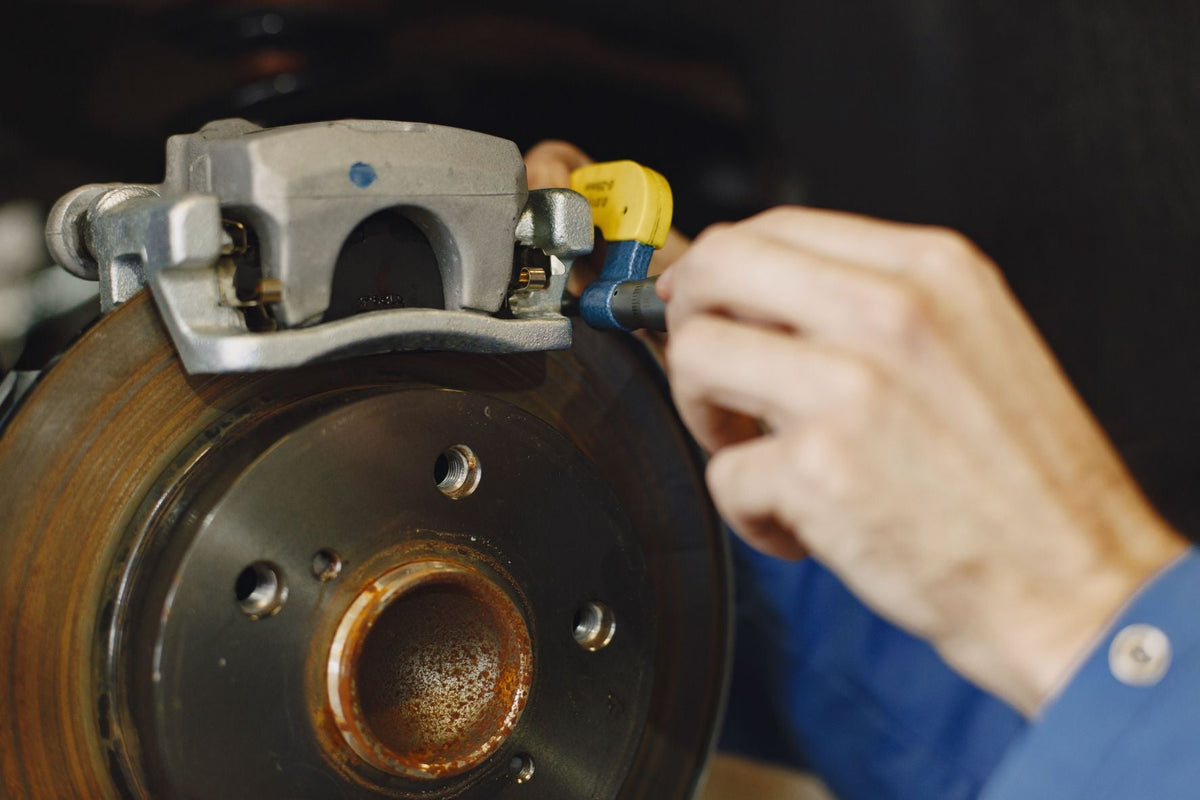
"Measure your brake pad thickness, save on repair costs."
Brake pad thickness is a critical component of a vehicle's braking system. Monitoring and maintaining the thickness of your brake pads can help prevent costly repairs and ensure the safety of you and your passengers. By regularly checking and measuring the thickness of your brake pads, you can catch potential issues early on and avoid more extensive damage to your braking system. In this article, we will discuss the importance of brake pad thickness and how a simple measurement can prevent a bigger repair bill down the line.
Importance of Regular Brake Inspections
When it comes to vehicle maintenance, there are certain components that are crucial for both safety and performance. One of these components is the brake system, which is responsible for slowing down and stopping your car when needed. Within the brake system, the brake pads play a key role in ensuring that your vehicle can come to a safe and controlled stop. Over time, brake pads wear down due to the friction generated when they press against the brake rotors. This wear and tear is completely normal, but it's important to keep an eye on the thickness of your brake pads to ensure that they are still able to effectively stop your vehicle.
Brake pad thickness is a simple measurement that can prevent a bigger repair bill down the road. When brake pads become too thin, they are no longer able to effectively grip the brake rotors, which can lead to decreased stopping power and potentially dangerous driving conditions. In addition, driving with worn brake pads can cause damage to other components of the brake system, such as the rotors, which can result in a more costly repair.
Regular brake inspections are essential for maintaining the safety and performance of your vehicle. During a brake inspection, a mechanic will check the thickness of your brake pads to determine if they need to be replaced. Most brake pads have a wear indicator that will make a squealing noise when the pads are getting too thin. However, it's always best to have a professional inspect your brakes to ensure that they are in good working condition.
If your brake pads are found to be too thin during an inspection, it's important to have them replaced as soon as possible. Driving with worn brake pads is not only dangerous, but it can also lead to more extensive damage to your vehicle's brake system. By replacing your brake pads in a timely manner, you can prevent more costly repairs down the road and ensure that your vehicle is able to stop safely when needed.
In addition to regular brake inspections, there are a few signs that may indicate that your brake pads are wearing down. If you hear a grinding noise when you apply the brakes, this could be a sign that the brake pads are completely worn down and are now damaging the rotors. In this case, it's crucial to have your brakes inspected immediately to prevent further damage. Other signs of worn brake pads include a soft or spongy brake pedal, a pulsating brake pedal, or a longer stopping distance.
In conclusion, brake pad thickness is a simple measurement that can prevent a bigger repair bill down the road. By staying on top of your brake maintenance and having regular inspections, you can ensure that your vehicle's brake system is in good working condition. If you suspect that your brake pads are wearing down, don't hesitate to have them inspected by a professional. Remember, your safety and the safety of others on the road depend on the effectiveness of your vehicle's brakes.
Signs of Worn Brake Pads
Have you ever heard a squealing noise when you press on your brakes? Or maybe you've noticed that it takes longer for your car to come to a stop than it used to. These are just a couple of signs that your brake pads may be worn down and in need of replacement. While it may seem like a minor issue, ignoring worn brake pads can lead to more serious and costly repairs down the road.
One of the easiest ways to determine if your brake pads are worn is by checking their thickness. Brake pads are designed to wear down over time as they come into contact with the rotors, which creates the friction needed to stop your car. As the pads wear down, they become less effective at stopping your vehicle, which can be dangerous for you and other drivers on the road.
To check the thickness of your brake pads, you can either take your car to a mechanic or do it yourself if you're comfortable working on your vehicle. Most brake pads have a wear indicator built in, which is a small piece of metal that will start to make contact with the rotor once the pads have worn down to a certain point. If you can see this indicator, it's time to replace your brake pads.
Another way to check the thickness of your brake pads is by using a brake pad thickness gauge. This tool allows you to measure the thickness of the pads without having to remove the wheels or brake calipers. Simply insert the gauge into the gap between the rotor and the brake pad, and it will give you an accurate measurement of the pad's thickness.
If you find that your brake pads are worn down to less than 1/4 inch, it's time to replace them. Driving with worn brake pads not only puts you at risk of an accident, but it can also cause damage to other components of your braking system, such as the rotors and calipers. This can result in a much larger repair bill than simply replacing the brake pads.
Replacing your brake pads is a relatively simple and inexpensive maintenance task that can be done at home or by a professional mechanic. Most brake pads cost between $50 and $100 for a set, depending on the make and model of your car. While it may seem like an unnecessary expense, investing in new brake pads can save you money in the long run by preventing more costly repairs.
In addition to checking the thickness of your brake pads, it's also important to pay attention to other signs of worn brake pads, such as squealing or grinding noises, a soft brake pedal, or vibrations when braking. If you notice any of these symptoms, it's best to have your brakes inspected as soon as possible to prevent further damage.
By taking the time to check the thickness of your brake pads and replacing them when necessary, you can ensure that your car stops safely and efficiently. Don't wait until it's too late – a simple measurement can prevent a bigger repair bill down the road.
How to Measure Brake Pad Thickness
Brake pad thickness may not be something that car owners think about on a regular basis, but it is a crucial aspect of vehicle maintenance that can prevent costly repairs down the road. By regularly checking the thickness of your brake pads, you can ensure that your brakes are functioning properly and avoid potential safety hazards on the road.
One of the easiest ways to measure brake pad thickness is to visually inspect them. Most brake pads have a wear indicator that will make a squealing noise when the pads are getting too thin. If you hear this noise, it is a good indication that your brake pads need to be replaced. However, it is always a good idea to physically measure the thickness of your brake pads to ensure they are within the recommended range.
To measure the thickness of your brake pads, you will need a ruler or a caliper. Start by removing the wheel to access the brake pads. Once you have a clear view of the brake pads, measure the thickness of the pad material. The minimum thickness of the brake pad material should be at least 3 millimeters. If the thickness is less than this, it is time to replace the brake pads.
It is important to note that the thickness of the brake pad material is not the only factor to consider when determining if your brake pads need to be replaced. The condition of the brake pad material, as well as any signs of wear or damage, should also be taken into account. If you notice any uneven wear, cracks, or other signs of damage on your brake pads, it is best to replace them as soon as possible.
Regularly checking the thickness of your brake pads can help you avoid more serious issues with your brakes in the future. Worn brake pads can lead to decreased braking performance, longer stopping distances, and even brake failure in extreme cases. By catching worn brake pads early, you can prevent these issues and keep your vehicle safe on the road.
In addition to ensuring your safety, regularly checking the thickness of your brake pads can also save you money in the long run. Replacing brake pads is a relatively inexpensive maintenance task compared to the cost of repairing or replacing other brake components that may be damaged as a result of worn brake pads. By catching worn brake pads early, you can avoid more costly repairs down the road.
Overall, measuring the thickness of your brake pads is a simple yet important aspect of vehicle maintenance that should not be overlooked. By regularly checking the thickness of your brake pads, you can ensure that your brakes are functioning properly, avoid potential safety hazards on the road, and save money on costly repairs. So next time you are performing maintenance on your vehicle, don't forget to check the thickness of your brake pads – it could prevent a bigger repair bill in the future.
Consequences of Driving with Thin Brake Pads

Have you ever thought about the importance of your brake pads? They may seem like a small component of your vehicle, but they play a crucial role in keeping you safe on the road. Brake pads are designed to create friction against the brake rotors, which helps to slow down and stop your vehicle. Over time, brake pads wear down and become thinner, which can lead to decreased braking performance and even potential safety hazards. In this article, we will discuss the consequences of driving with thin brake pads and why it's essential to regularly check and replace them when needed.
One of the most significant consequences of driving with thin brake pads is reduced braking efficiency. When your brake pads are worn down, they have less material to create friction against the rotors, which can result in longer stopping distances. This means that it will take you longer to come to a complete stop, increasing the risk of rear-end collisions or other accidents. Additionally, worn brake pads can also lead to decreased braking power, making it harder to slow down or stop in emergency situations.
Another consequence of driving with thin brake pads is increased wear and tear on other brake components. When your brake pads are worn down, the metal backing plate can come into contact with the rotors, causing damage to both components. This can lead to costly repairs, such as replacing the rotors or calipers, which could have been prevented by simply replacing the brake pads in a timely manner. By regularly checking the thickness of your brake pads and replacing them when needed, you can help extend the life of your entire braking system.
Driving with thin brake pads can also lead to overheating of the brake system. When your brake pads are worn down, they are less effective at dissipating heat generated during braking. This can cause the brake fluid to boil, leading to a loss of braking power and potentially causing brake fade. Brake fade occurs when the brakes become less responsive due to overheating, which can be dangerous, especially when driving in hilly or mountainous terrain. By maintaining proper brake pad thickness, you can help prevent overheating of the brake system and ensure that your brakes perform optimally in all driving conditions.
In addition to safety concerns, driving with thin brake pads can also result in increased repair costs. As mentioned earlier, worn brake pads can cause damage to other brake components, leading to expensive repairs. Furthermore, if your brake pads wear down completely, the metal backing plate can come into direct contact with the rotors, causing further damage and potentially requiring a complete brake system overhaul. By regularly checking the thickness of your brake pads and replacing them when needed, you can avoid costly repairs and keep your vehicle running smoothly.
In conclusion, the thickness of your brake pads may seem like a small detail, but it can have a significant impact on your safety and the overall performance of your vehicle. By regularly checking the thickness of your brake pads and replacing them when needed, you can help prevent accidents, extend the life of your braking system, and avoid costly repairs. So next time you're behind the wheel, remember that a simple measurement of your brake pad thickness can prevent a bigger repair bill down the road. Stay safe on the road and happy driving!
Tips for Maintaining Safe Brake Pad Thickness
When it comes to vehicle maintenance, there are certain things that are easy to overlook but can have a big impact on your safety and the longevity of your car. One of these often forgotten maintenance tasks is checking the thickness of your brake pads. While it may seem like a small detail, keeping an eye on your brake pad thickness can prevent costly repairs down the road and ensure that your brakes are working effectively when you need them most.
Brake pads are a crucial component of your vehicle's braking system. They are the part of the brake system that makes contact with the brake rotor to slow or stop your car. Over time, as you use your brakes, the brake pads wear down. This is a normal part of the braking process, but it's important to keep an eye on the thickness of your brake pads to ensure that they are still able to effectively stop your vehicle.
One way to check the thickness of your brake pads is to visually inspect them. Most brake pads have a wear indicator that will make a squealing noise when the pads are getting too thin. If you hear this noise, it's a good indication that it's time to replace your brake pads. You can also physically inspect the brake pads by looking through the spokes of your wheel to see how much pad material is left. If the pad material is less than a quarter of an inch thick, it's time to replace them.
Another way to check the thickness of your brake pads is to use a brake pad thickness gauge. This tool allows you to measure the thickness of your brake pads accurately and quickly. Simply insert the gauge between the brake pad and the rotor to get an accurate measurement of the pad thickness. If the thickness is less than the manufacturer's recommended minimum thickness, it's time to replace your brake pads.
Checking the thickness of your brake pads regularly is important for several reasons. First and foremost, thin brake pads can reduce the effectiveness of your brakes, leading to longer stopping distances and potentially dangerous driving conditions. In addition, driving with thin brake pads can cause damage to other components of your braking system, such as the brake rotors. This can lead to more extensive and costly repairs down the road.
By staying on top of your brake pad thickness, you can ensure that your brakes are working effectively and safely. Regularly checking your brake pads can also help you catch any issues early on, before they become more serious and expensive to fix. It's a simple maintenance task that can save you time, money, and potentially prevent accidents on the road.
In conclusion, keeping an eye on the thickness of your brake pads is an important part of vehicle maintenance. By regularly checking your brake pads and replacing them when necessary, you can ensure that your brakes are working effectively and safely. It's a simple task that can prevent bigger repair bills down the road and keep you safe on the road. So next time you're doing a routine check of your vehicle, don't forget to take a look at your brake pads – it could save you a lot of trouble in the long run.
Conclusion
Regularly checking and maintaining brake pad thickness can help prevent costly repairs and ensure safe driving conditions. It is a simple and quick measurement that can save money in the long run by avoiding more extensive brake system damage.