
Automotive Endoscopes: How Mechanics See Problems Hidden Inside Your Engine
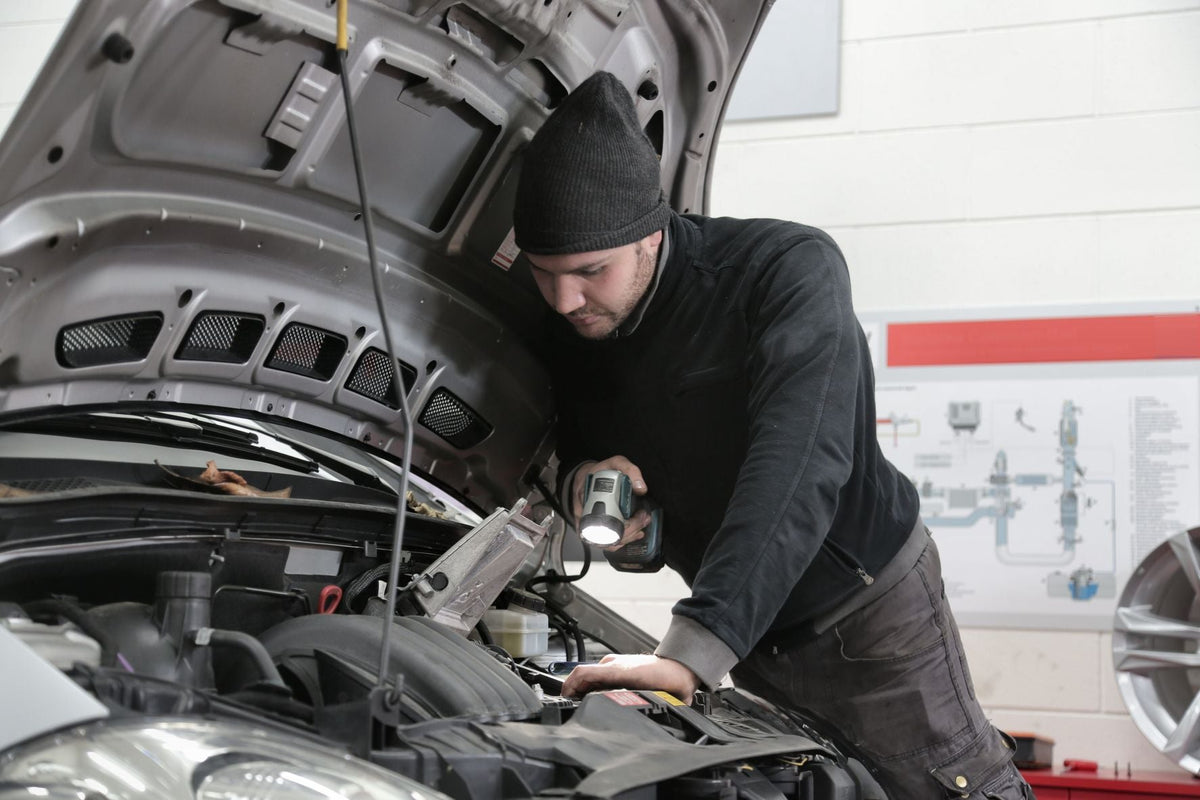
"Revealing the unseen: Automotive Endoscopes uncover engine issues with precision."
Automotive endoscopes are a valuable tool for mechanics to see and diagnose problems hidden inside your engine. These devices allow mechanics to visually inspect hard-to-reach areas of the engine, helping them identify issues such as leaks, blockages, or damage that may not be visible from the outside. By using an automotive endoscope, mechanics can pinpoint the exact location and nature of the problem, allowing for more accurate and efficient repairs.
Exploring the Benefits of Using Automotive Endoscopes for Engine Inspections
Have you ever wondered how mechanics are able to diagnose and fix problems hidden deep inside your car's engine? The answer lies in a handy tool called an automotive endoscope. This nifty device allows mechanics to see inside the engine without having to take it apart, saving time and money for both the mechanic and the car owner.
Automotive endoscopes are essentially small cameras attached to a flexible tube that can be inserted into the engine through small openings. The camera sends live video feed to a screen, allowing the mechanic to see exactly what's going on inside the engine in real-time. This technology has revolutionized the way engine inspections are done, making it easier and more efficient to diagnose and fix problems.
One of the biggest benefits of using automotive endoscopes is the ability to see hidden problems that would otherwise go unnoticed. For example, a mechanic can use the endoscope to inspect the inside of the engine cylinders, looking for signs of wear and tear or damage. This can help prevent major engine problems down the line, saving the car owner from costly repairs.
Another advantage of using automotive endoscopes is the ability to pinpoint the exact location of a problem. Instead of having to guess where a leak or malfunction is coming from, the mechanic can use the endoscope to visually inspect the area and identify the issue with precision. This not only saves time but also ensures that the problem is fixed correctly the first time.
In addition to diagnosing problems, automotive endoscopes can also be used for routine maintenance inspections. By regularly inspecting the inside of the engine, mechanics can catch small issues before they turn into major problems. This proactive approach can help extend the life of the engine and keep the car running smoothly for years to come.
Using automotive endoscopes is also safer for both the mechanic and the car owner. Instead of having to disassemble the engine to inspect it, the mechanic can simply insert the endoscope and get a clear view of the inside without any risk of injury. This minimizes the chances of accidents and ensures that the inspection is done quickly and efficiently.
Overall, automotive endoscopes are a valuable tool for mechanics looking to provide top-notch service to their customers. By using this technology, mechanics can quickly and accurately diagnose engine problems, saving time and money for everyone involved. So the next time you take your car in for a check-up, ask your mechanic if they use automotive endoscopes – you'll be glad you did!
Step-by-Step Guide on How Mechanics Use Endoscopes to Detect Hidden Engine Problems
Have you ever wondered how mechanics are able to diagnose and fix hidden problems inside your car's engine? One of the tools they use is an automotive endoscope. This nifty device allows mechanics to see inside the engine without having to take it apart, saving time and money for both the mechanic and the car owner.
So, how exactly do mechanics use endoscopes to detect hidden engine problems? Let's break it down step by step.
Step 1: Preparation
Before using an endoscope, the mechanic will first need to prepare the engine for inspection. This may involve removing any obstructions that could block the view of the endoscope, such as air filters or other components. Once the engine is ready, the mechanic will insert the endoscope into the engine through a small opening, such as the spark plug hole.
Step 2: Inspection
Once the endoscope is inside the engine, the mechanic will use the device's camera to inspect the internal components. This includes looking for any signs of wear and tear, damage, or buildup that could be causing issues with the engine's performance. The mechanic will also pay close attention to areas that are difficult to see with the naked eye, such as the valves, pistons, and cylinder walls.
Step 3: Diagnosis
After inspecting the engine with the endoscope, the mechanic will then diagnose any problems that were found. This may involve taking pictures or videos of the internal components to show the car owner the extent of the issue. The mechanic will then explain the problem in detail and recommend the necessary repairs or maintenance needed to fix it.
Step 4: Repair
Once the car owner has approved the repairs, the mechanic will then proceed to fix the issues that were detected with the endoscope. This may involve replacing damaged parts, cleaning out buildup, or performing other maintenance tasks to ensure the engine is running smoothly. The mechanic will then reinspect the engine with the endoscope to confirm that the repairs were successful.
Step 5: Maintenance
After the repairs are complete, the mechanic may recommend regular maintenance to prevent future issues from occurring. This could include changing the oil, replacing filters, or other tasks to keep the engine in top condition. By staying on top of maintenance, car owners can help prolong the life of their engine and avoid costly repairs down the road.
In conclusion, automotive endoscopes are a valuable tool that mechanics use to detect hidden engine problems quickly and accurately. By following these steps, mechanics can diagnose and fix issues with the engine before they become major problems. So, the next time you take your car in for a check-up, ask your mechanic if they use an endoscope to ensure your engine is in tip-top shape.
Comparison of Different Automotive Endoscopes and Inspection Cameras for Car Diagnostics

Have you ever wondered how mechanics are able to see inside your car's engine to diagnose problems that are hidden from plain sight? The answer lies in the use of automotive endoscopes and inspection cameras. These handy tools allow mechanics to get a closer look at hard-to-reach areas inside your vehicle, helping them pinpoint issues and make repairs more efficiently.
There are several different types of automotive endoscopes and inspection cameras on the market, each with its own set of features and capabilities. Let's take a closer look at some of the most popular options available to mechanics today.
One of the most common types of automotive endoscopes is the rigid borescope. This tool features a long, thin tube with a camera at one end that can be inserted into tight spaces within the engine. Rigid borescopes are ideal for inspecting areas that are straight and narrow, such as cylinders and exhaust pipes. They provide high-quality images and are easy to maneuver, making them a popular choice among mechanics.
Another popular option is the flexible borescope, which features a flexible tube that can be bent and twisted to navigate around corners and obstacles. Flexible borescopes are perfect for inspecting curved or hard-to-reach areas within the engine, such as behind the engine block or under the intake manifold. They offer excellent visibility and can capture images from multiple angles, making them a versatile tool for diagnosing a wide range of issues.
In addition to borescopes, mechanics also use inspection cameras to get a closer look at hidden areas within the engine. Inspection cameras are small, handheld devices with a camera at one end and a screen at the other, allowing mechanics to see real-time images of the inside of the engine. These cameras are perfect for quick inspections and can be easily maneuvered into tight spaces for a closer look at problem areas.
When choosing an automotive endoscope or inspection camera, it's important to consider factors such as image quality, flexibility, and ease of use. Rigid borescopes are great for straight, narrow spaces, while flexible borescopes are better suited for curved or hard-to-reach areas. Inspection cameras offer real-time images and are easy to use, making them a convenient option for quick inspections.
Overall, automotive endoscopes and inspection cameras are essential tools for mechanics looking to diagnose and repair hidden problems within your car's engine. By using these tools, mechanics can save time and money by quickly identifying issues and making repairs more efficiently. So the next time you take your car in for a check-up, rest assured that your mechanic has the tools needed to see inside your engine and keep your vehicle running smoothly.
Conclusion
Automotive endoscopes provide mechanics with a valuable tool to see and diagnose problems hidden inside an engine. By allowing for visual inspection of hard-to-reach areas, these devices help mechanics identify issues quickly and accurately, leading to more efficient repairs and maintenance. Overall, automotive endoscopes play a crucial role in ensuring the proper functioning and longevity of vehicle engines.