
Jump Starter vs Traditional Jumper Cables: Understanding the Trade-Offs
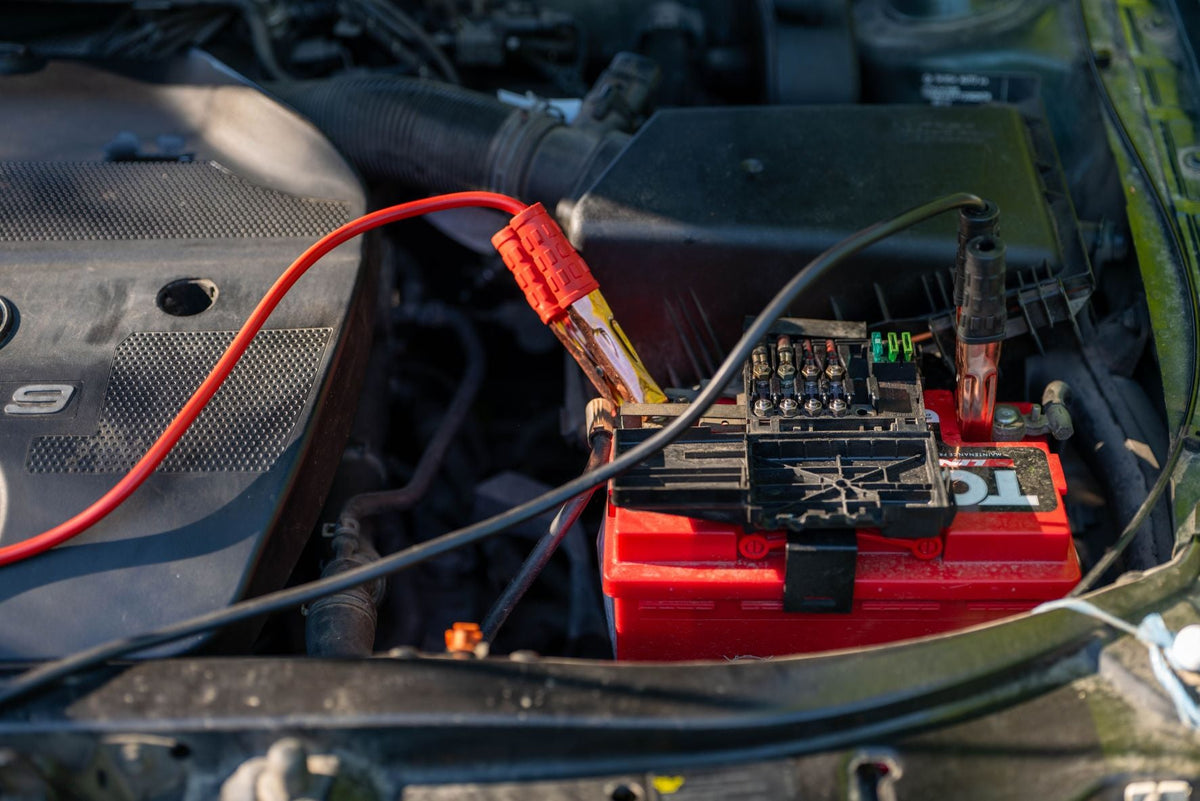
Jump Starter vs Traditional Jumper Cables: Power on demand or old school reliability?
Introduction:
When it comes to jump-starting a dead car battery, there are two main options: using a jump starter or traditional jumper cables. Both methods have their own set of advantages and disadvantages, and understanding the trade-offs between the two can help you make an informed decision on which option is best for you. In this article, we will compare jump starters and traditional jumper cables to help you determine which method is right for your needs.
Pros and Cons of Portable Jump Starters
If you've ever found yourself with a dead car battery, you know how frustrating it can be. Whether you left your lights on overnight or your battery is just old and worn out, having a reliable way to jump-start your vehicle is essential. Traditionally, most people have turned to jumper cables and a willing friend or stranger to help get their car running again. However, in recent years, portable jump starters have become increasingly popular as a convenient and easy-to-use alternative. In this article, we'll explore the pros and cons of portable jump starters compared to traditional jumper cables, helping you understand the trade-offs and make an informed decision for your own needs.
One of the biggest advantages of portable jump starters is their convenience. Unlike traditional jumper cables, which require another vehicle to provide the power needed to jump-start your car, portable jump starters are self-contained units that can be used anywhere, anytime. This means you don't have to rely on finding a good Samaritan to help you out in a pinch, making portable jump starters a great option for solo drivers or those who frequently find themselves in remote locations.
Another benefit of portable jump starters is their ease of use. Traditional jumper cables can be tricky to use, especially if you're not familiar with the process. You have to make sure you connect the cables correctly, avoid sparking, and wait for a few minutes before attempting to start your car. Portable jump starters, on the other hand, are designed to be foolproof. Simply connect the clamps to your battery, turn on the unit, and start your car – it's as easy as that.
In addition to their convenience and ease of use, portable jump starters also offer the advantage of safety. Traditional jumper cables can be dangerous if not used correctly, as they carry a risk of sparking or short-circuiting if mishandled. Portable jump starters eliminate this risk by providing a safe and reliable way to jump-start your car without the need for another vehicle.
However, portable jump starters do have some drawbacks compared to traditional jumper cables. One of the main trade-offs is their price. Portable jump starters can be more expensive than a set of jumper cables, which may be a deterrent for budget-conscious consumers. Additionally, portable jump starters require regular maintenance and charging to ensure they're ready when you need them, whereas jumper cables can be kept in your trunk and forgotten about until the moment you need them.
Another potential downside of portable jump starters is their limited power output. While most portable jump starters are capable of jump-starting a standard car or truck, they may struggle with larger vehicles or those with particularly dead batteries. In these cases, traditional jumper cables may be a better option for providing the extra power needed to get your vehicle running again.
In conclusion, both portable jump starters and traditional jumper cables have their own set of pros and cons. Portable jump starters offer convenience, ease of use, and safety, making them a great option for solo drivers or those who frequently find themselves in need of a jump-start. However, they can be more expensive and may struggle with larger vehicles or particularly dead batteries. On the other hand, traditional jumper cables are a budget-friendly and reliable option, but they require another vehicle to provide the power needed to jump-start your car. Ultimately, the choice between a portable jump starter and traditional jumper cables will depend on your own needs and preferences.
Benefits and Limitations of Traditional Jumper Cables
If you've ever found yourself with a dead car battery, you know how frustrating it can be. Luckily, there are a few options available to help you get back on the road. Traditional jumper cables have long been a go-to solution for jump-starting a car, but in recent years, jump starters have become increasingly popular. In this article, we'll explore the benefits and limitations of traditional jumper cables to help you understand the trade-offs between the two options.
Traditional jumper cables are a simple and cost-effective way to jump-start a car. All you need is another vehicle with a working battery and a set of jumper cables. Simply connect the cables to the dead battery and the working battery, and you should be able to start your car in no time. Jumper cables are easy to store in your trunk and can be used multiple times, making them a convenient option for emergencies.
However, traditional jumper cables do have their limitations. One of the biggest drawbacks is that you need another vehicle with a working battery to jump-start your car. This can be a problem if you're stranded in a remote location or if there are no other vehicles around. Additionally, using jumper cables requires some knowledge of how to properly connect them to avoid damaging your car's electrical system.
Another limitation of traditional jumper cables is that they rely on the strength of the other vehicle's battery to jump-start your car. If the other vehicle's battery is weak or if the cables are not connected properly, you may not be able to start your car. This can be frustrating and time-consuming, especially if you're in a hurry.
Despite these limitations, traditional jumper cables are still a reliable and effective way to jump-start a car. They are a tried-and-true method that has been used for decades, and many people feel comfortable using them in an emergency. However, if you're looking for a more convenient and foolproof option, you may want to consider investing in a jump starter.
Jump starters are portable devices that have a built-in battery and can be used to jump-start a car without the need for another vehicle. They are easy to use and can be stored in your trunk for emergencies. Simply connect the jump starter to your car's battery, turn it on, and you should be able to start your car without any issues.
One of the biggest benefits of jump starters is that they are self-contained and do not rely on another vehicle's battery to jump-start your car. This makes them a great option for emergencies when you're stranded in a remote location or if there are no other vehicles around. Additionally, jump starters are designed to be foolproof, so even if you're not familiar with how to jump-start a car, you should be able to use a jump starter with ease.
However, jump starters do have their limitations. One of the biggest drawbacks is that they can be more expensive than traditional jumper cables. Additionally, jump starters need to be charged regularly to ensure they are ready to use in an emergency. If you forget to charge your jump starter, it may not work when you need it most.
In conclusion, both traditional jumper cables and jump starters have their benefits and limitations. Traditional jumper cables are a reliable and cost-effective option that have been used for decades, while jump starters offer a more convenient and foolproof way to jump-start a car. Ultimately, the best option for you will depend on your specific needs and preferences. Whether you choose traditional jumper cables or a jump starter, it's important to have a plan in place for emergencies so you can get back on the road quickly and safely.
Comparing Ease of Use for Jump Starters vs Jumper Cables

If you've ever found yourself with a dead car battery, you know how frustrating it can be. You're stuck on the side of the road, waiting for a Good Samaritan to come along and offer a jump start. But what if you could take matters into your own hands and get your car running again without having to rely on the kindness of strangers? That's where jump starters and jumper cables come in.
Jump starters and jumper cables are both tools that can help you start a car with a dead battery, but they work in different ways and have their own set of trade-offs. In this article, we'll compare the ease of use for jump starters versus jumper cables to help you decide which option is best for you.
Let's start with jumper cables. Jumper cables are a tried and true method for jump-starting a car. All you need is another vehicle with a working battery and a set of jumper cables. Simply connect the cables to the dead battery and the working battery, and you should be able to start your car in a matter of minutes.
While jumper cables are relatively easy to use, there are a few drawbacks to consider. For one, you need another vehicle with a working battery to jump-start your car. This can be a problem if you're stranded in a remote location with no other cars around. Additionally, using jumper cables can be a bit intimidating for those who are not familiar with how they work. If you connect the cables incorrectly, you could potentially damage your car's electrical system.
Now, let's talk about jump starters. Jump starters are portable battery packs that can jump-start your car without the need for another vehicle. Simply connect the jump starter to your car's battery, turn it on, and you should be able to start your car right away.
One of the biggest advantages of jump starters is their portability. You can keep a jump starter in your trunk and use it whenever you need a jump start, regardless of where you are. Jump starters are also very easy to use, making them a great option for those who are not comfortable using jumper cables.
However, there are some trade-offs to consider when using a jump starter. Jump starters can be more expensive than jumper cables, and they need to be charged regularly to ensure they are ready when you need them. Additionally, jump starters may not work as well in extreme cold weather, so they may not be the best option for those who live in colder climates.
In conclusion, both jump starters and jumper cables have their own set of advantages and disadvantages when it comes to ease of use. Jumper cables are a reliable and cost-effective option for jump-starting a car, but they require another vehicle with a working battery. Jump starters, on the other hand, are portable and easy to use, but they can be more expensive and may not work as well in extreme cold weather.
Ultimately, the best option for you will depend on your individual needs and preferences. If you're looking for a reliable and cost-effective solution, jumper cables may be the way to go. If you value portability and ease of use, a jump starter may be the better choice. Whichever option you choose, having a way to jump-start your car can give you peace of mind knowing that you can get back on the road quickly and safely in the event of a dead battery.
Cost Analysis: Portable Jump Starter vs Traditional Jumper Cables
If you've ever found yourself with a dead car battery, you know how frustrating it can be. You're stuck on the side of the road, waiting for a Good Samaritan to come along and offer a jump start. But what if you could take matters into your own hands and get your car running again without having to rely on the kindness of strangers? That's where jump starters and traditional jumper cables come in.
Jump starters and traditional jumper cables are both tools designed to help you start a car with a dead battery. However, they each have their own pros and cons, and understanding the trade-offs between the two can help you make an informed decision about which one is right for you.
Let's start with traditional jumper cables. Jumper cables are a tried and true method for jump-starting a car. They are relatively inexpensive and can be found at most auto parts stores or even in the trunk of your car. All you need is another car with a working battery to help you out. Simply connect the red clamp to the positive terminal of the dead battery, the other red clamp to the positive terminal of the working battery, the black clamp to the negative terminal of the working battery, and the other black clamp to an unpainted metal surface on the dead car. Once everything is connected, start the working car and let it run for a few minutes before attempting to start the dead car.
While traditional jumper cables are effective, they do have some drawbacks. For one, you need another car with a working battery to help you out. If you're stranded in a remote location or late at night, finding someone to give you a jump start can be a challenge. Additionally, using jumper cables can be a bit intimidating for those who are not familiar with car maintenance. Connecting the cables incorrectly can result in damage to your car's electrical system or even injury to yourself.
On the other hand, jump starters offer a more convenient and user-friendly option for jump-starting a car. These portable devices are essentially a compact battery that can deliver a high-voltage jolt to your car's dead battery, allowing you to start your car without the need for another vehicle. Jump starters are easy to use – simply connect the red clamp to the positive terminal of the dead battery and the black clamp to an unpainted metal surface on the car. Press the power button on the jump starter, wait a few minutes, and then start your car.
One of the biggest advantages of jump starters is their portability. They are small enough to fit in your glove box or trunk, making them ideal for emergencies. You don't need another car to help you out, so you can jump-start your car anytime, anywhere. Additionally, jump starters are safer to use than traditional jumper cables, as there is less risk of electrical shock or damage to your car.
However, jump starters do come with a higher price tag compared to traditional jumper cables. Depending on the brand and features, a jump starter can cost anywhere from $50 to $200 or more. While this may seem like a significant investment, the peace of mind and convenience that a jump starter provides can be well worth the cost.
In conclusion, both jump starters and traditional jumper cables have their own advantages and disadvantages. Traditional jumper cables are a cost-effective and reliable option for jump-starting a car, but they require another vehicle to help you out. Jump starters offer convenience and portability, but they come with a higher price tag. Ultimately, the choice between the two comes down to your personal preferences and budget. Whichever option you choose, having a way to jump-start your car can save you time and frustration in the event of a dead battery.
Reliability and Durability of Jump Starters and Jumper Cables
If you've ever found yourself with a dead car battery, you know how frustrating it can be. Whether you left your lights on overnight or your battery is just old and worn out, having a reliable way to jump-start your car is essential. Traditionally, most people have turned to jumper cables to get their car up and running again. However, in recent years, jump starters have become increasingly popular as a convenient alternative. But which option is better? Let's take a closer look at the reliability and durability of jump starters versus traditional jumper cables.
When it comes to reliability, both jump starters and jumper cables have their pros and cons. Jumper cables are a tried and true method for jump-starting a car. As long as you have another vehicle with a working battery nearby, you can usually get your car started in a matter of minutes. However, jumper cables can be finicky, especially if they are old or damaged. If the cables are frayed or the clamps are corroded, you may have trouble getting a good connection, which can make jump-starting your car a frustrating experience.
On the other hand, jump starters are designed to be easy to use and reliable in a variety of situations. Most jump starters come with built-in safety features that protect against reverse polarity, overcharging, and short circuits, making them a safer option for inexperienced users. Additionally, jump starters are portable and can be used without the need for another vehicle, making them a great option for emergencies or when you're stranded in a remote location. However, jump starters do require regular maintenance to ensure they are charged and ready to go when you need them.
In terms of durability, jumper cables have the upper hand. When properly cared for, jumper cables can last for years and are less likely to fail when you need them most. However, jumper cables can be bulky and difficult to store, making them less convenient to carry around in your car. Additionally, jumper cables can be easily damaged if they are not stored properly or if they are exposed to extreme temperatures.
Jump starters, on the other hand, are more compact and easier to store in your car. Most jump starters are designed to be durable and can withstand rough handling and extreme temperatures. However, jump starters do have a limited lifespan and will eventually need to be replaced. Additionally, jump starters rely on a battery to provide power, which means they can lose their charge over time if not used regularly.
In conclusion, both jump starters and jumper cables have their advantages and disadvantages when it comes to reliability and durability. Jumper cables are a reliable and durable option that can last for years when properly cared for. However, they can be finicky to use and are less convenient to carry around. Jump starters, on the other hand, are easy to use and portable, making them a great option for emergencies. However, they require regular maintenance and have a limited lifespan. Ultimately, the choice between jump starters and jumper cables comes down to personal preference and how you prioritize convenience and reliability in your car emergency kit.
Safety Considerations when Jump Starting a Car with Different Equipment
Jump starting a car can be a stressful situation, especially if you find yourself stranded on the side of the road with a dead battery. In these moments, having the right equipment can make all the difference in getting your car back up and running. Two common options for jump starting a car are using a jump starter or traditional jumper cables. Each method has its own set of advantages and disadvantages, so it's important to understand the trade-offs before deciding which one is right for you.
When it comes to safety considerations, both jump starters and traditional jumper cables have their own risks. Traditional jumper cables require another vehicle to be present in order to jump start your car. This means that you are relying on a stranger or friend to help you out, which can be risky in certain situations. Additionally, traditional jumper cables can be difficult to use correctly, and if not done properly, can result in damage to your vehicle's electrical system.
On the other hand, jump starters are a self-contained unit that does not require another vehicle to be present. This can be a safer option, as you are not relying on someone else to help you out. However, jump starters do come with their own set of risks. If not used correctly, jump starters can also cause damage to your vehicle's electrical system. It's important to carefully read the instructions and follow them closely when using a jump starter to avoid any potential hazards.
In terms of convenience, jump starters have a clear advantage over traditional jumper cables. Jump starters are compact and easy to store in your car, making them a convenient option for emergencies. Traditional jumper cables, on the other hand, can be bulky and take up valuable space in your trunk. Additionally, jump starters are typically easier to use, as they require minimal setup and can be used by one person.
However, traditional jumper cables do have their own advantages. They are typically less expensive than jump starters, making them a more budget-friendly option. Additionally, traditional jumper cables are a versatile tool that can be used to jump start a variety of vehicles, not just cars. This can be useful if you have multiple vehicles or if you find yourself in a situation where a jump starter is not available.
Ultimately, the decision between using a jump starter or traditional jumper cables comes down to personal preference and what works best for your specific situation. If safety and convenience are your top priorities, a jump starter may be the best option for you. However, if budget is a concern and you don't mind relying on another vehicle for assistance, traditional jumper cables may be the way to go.
No matter which method you choose, it's important to always prioritize safety when jump starting a car. Make sure to carefully read the instructions for your chosen equipment and follow them closely to avoid any potential hazards. By understanding the trade-offs between jump starters and traditional jumper cables, you can make an informed decision that will help you get back on the road safely.
Conclusion
Jump starters offer convenience and portability, while traditional jumper cables require another vehicle to jump-start a dead battery. However, jump starters can be more expensive and may require regular charging. Traditional jumper cables are a more cost-effective option but require another vehicle to be present. Ultimately, the choice between a jump starter and traditional jumper cables depends on individual needs and preferences.